When to Remove Moldy Carpet and Padding Instead of Cleaning
@mildewwatch
November 13, 2026 · 8 min read
Knowing When Removal Is the Only Option
Mold in carpet is not always something you can simply scrub away. While surface mold on hard flooring can sometimes be cleaned with the right solution, carpet and the padding underneath are porous. Once mold takes hold deep in the fibers or the padding, cleaning may only mask the problem. The question of when to remove versus clean comes down to how far the mold has spread, what kind of material you are dealing with, and how long the moisture has been sitting.
Why Carpet and Padding Trap Mold
Carpet is made of fibers that hold onto moisture. Padding beneath the carpet is often even more absorbent. When water from a leak, flood, or high humidity seeps into these layers, mold spores that are always present in the air find a damp place to grow. Unlike a hard surface where you can wipe mold away, carpet fibers give mold a place to root. The padding, especially if it is made of foam or rubber, can hold moisture for days or weeks even after the surface feels dry. That hidden moisture keeps mold alive and spreading. Carpet Mold Removal Services Pros
Mold in carpet is not just a cosmetic issue. It can cause a musty smell that gets into everything in the room. More importantly, mold releases spores and compounds that can affect indoor air quality. For people with allergies, asthma, or respiratory sensitivities, living with moldy carpet can make symptoms worse. That is why deciding between cleaning and removal matters for both the condition of your home and the health of the people in it.
When Cleaning Might Work
There are a few situations where cleaning carpet mold might be effective. If the mold is only on the surface and the carpet has not been wet for long, a thorough cleaning with a mold-killing solution could remove it. This works best when the carpet is made of synthetic fibers that do not absorb water as much as natural fibers. If you catch the moisture early and dry the area completely within 24 to 48 hours, you might prevent mold from growing deep into the padding.
Cleaning can also be enough if the mold patch is small and isolated. A spot caused by a spilled drink that was not dried quickly might be treatable. But even then, you have to be sure the padding underneath is dry and free of mold. If the padding is wet, cleaning the carpet alone will not solve the problem because moisture will keep wicking up from below.
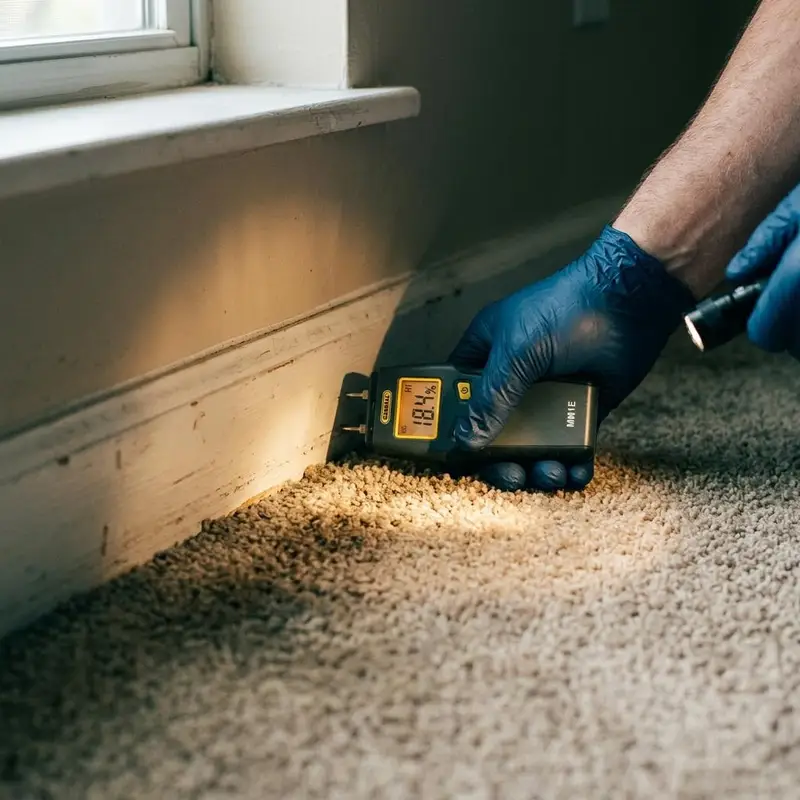
Professional cleaning services use hot water extraction, antimicrobial treatments, and powerful drying equipment. They can sometimes save carpet that seems moldy. But they also know that cleaning is not always the answer. When the padding is saturated or the mold has been growing for more than a few days, removal becomes the safer route.
When Removal Is Necessary
Removal becomes necessary in several clear cases. The first is when the carpet has been wet for more than 48 hours. Mold can start growing within 24 to 48 hours in the right conditions. Once that window passes, the mold has likely penetrated the padding and possibly the subfloor. Cleaning the surface will not reach the mold hiding underneath.
Another case is when the carpet padding is the type that absorbs water like a sponge. Some padding is made from recycled foam or rubber that holds onto moisture. Even if you dry the carpet, the padding may stay damp and continue feeding the mold. In that situation, the padding must come out, and the carpet usually goes with it.
If the mold is the result of sewage backup, floodwater, or any contaminated water source, removal is always required. Those water sources carry bacteria and other pathogens that cannot be fully cleaned out of carpet and padding. The only safe approach is to remove and replace everything that got wet.
You should also consider removal if someone in the home has mold allergies or asthma. Even if the mold seems contained, the spores can become airborne when you walk on the carpet. For sensitive individuals, the risk of exposure is too high. Removing the carpet eliminates the source of spores and improves indoor air quality.
Finally, if the carpet is old or the padding is already degraded, cleaning may not be worth the effort. Old padding often crumbles or loses its shape when it gets wet. Even if you clean the carpet, the padding will not provide the same support, and the carpet may look uneven or feel uncomfortable.
How to Tell If the Padding Is Affected
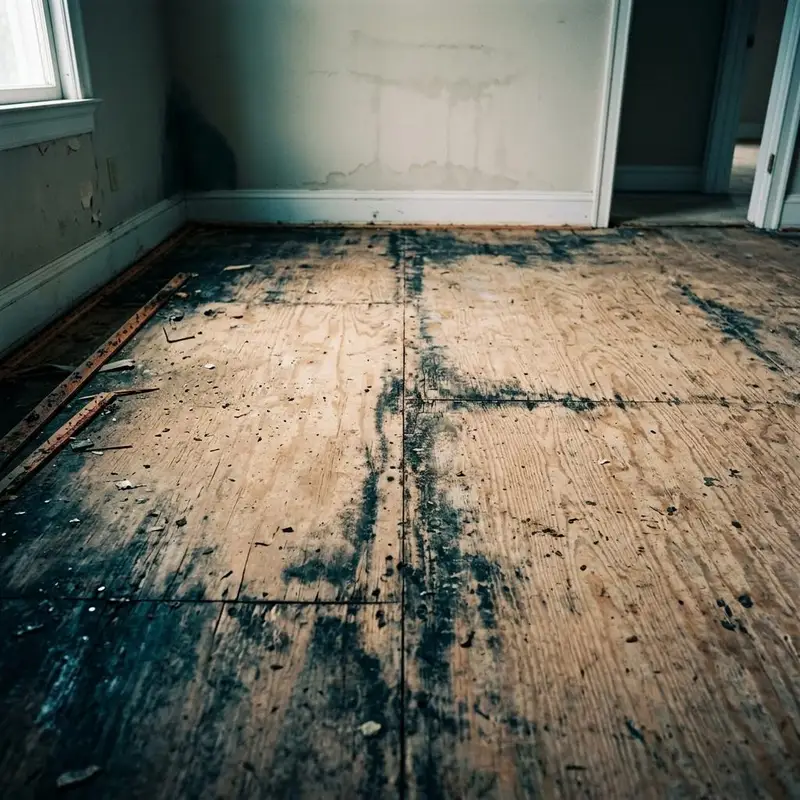
You cannot always see mold in the padding. The carpet surface might look fine while the padding underneath is black with mold. To check, lift a corner of the carpet near the affected area. Look at the back of the carpet and the top of the padding. If you see dark spots, a slimy texture, or smell a strong musty odor, the padding is likely contaminated. You can also press on the padding to see if it feels damp. If it does, the mold is probably growing there.
Another sign is a persistent smell that returns after cleaning. If you clean the carpet and the musty odor comes back within a day or two, the mold is still active in the padding or the subfloor. At that point, removal is the only way to get rid of the smell.
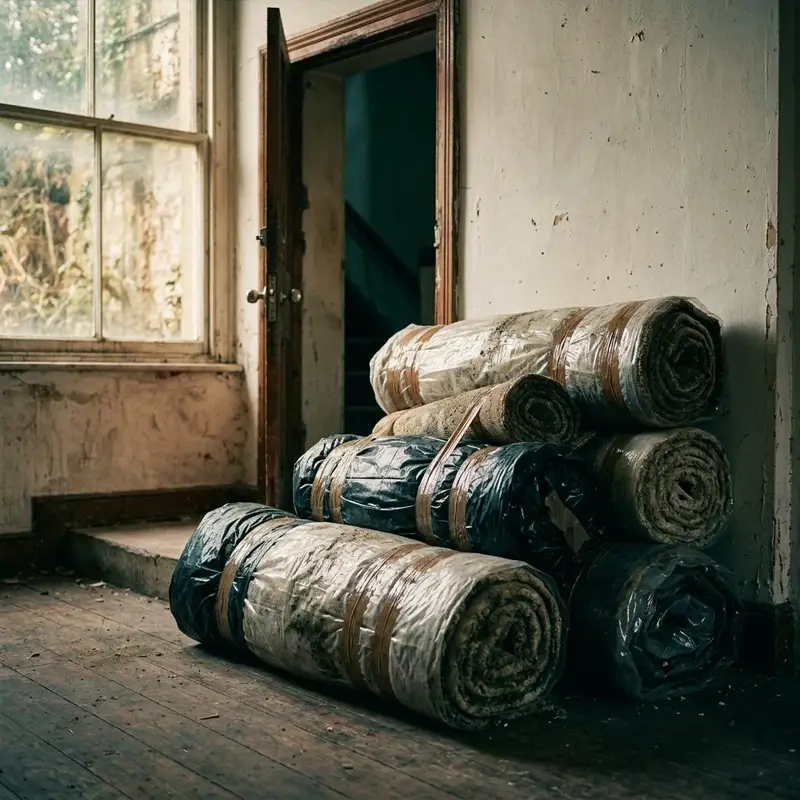
The Removal Process
Removing moldy carpet and padding is straightforward but labor-intensive. The first step is to clear the room of furniture. Then you cut the carpet into manageable strips and pull it up. The padding comes up next, usually in sections. Both materials need to be sealed in heavy-duty plastic bags for disposal. You should not try to reuse them.
Once the carpet and padding are gone, inspect the subfloor. If the subfloor is concrete, it can usually be cleaned and dried. If it is wood, it may need to be dried, sanded, or replaced if the mold has penetrated deeply. Drying the subfloor is critical before installing new carpet or any other flooring.
During removal, it is important to control dust and spores. Wearing a respirator, gloves, and eye protection is recommended. Sealing off the room from the rest of the house with plastic sheeting can prevent spores from spreading. After the old materials are out, the area should be vacuumed with a HEPA vacuum and wiped down with a mold-killing cleaner.
For many homeowners, this process is more than they want to tackle on their own. That is where professional help makes sense. Companies like Carpet Mold Removal Services Pros specialize in identifying the source of moisture, removing contaminated materials, and drying the structure so that new flooring can go in safely. They also address underlying moisture problems that could cause mold to return.
When to Call a Professional
If the mold covers a large area, if the water source was contaminated, or if you are unsure how far the mold has spread, calling a professional is a wise move. Professionals have moisture meters, thermal imaging cameras, and industrial drying equipment that most homeowners do not. They can also test the air quality before and after the removal to confirm the mold is gone.
Another reason to call a professional is if the mold is in the padding and the subfloor. Removing the carpet yourself might expose you to high levels of mold spores. Professionals follow safety protocols that reduce exposure and prevent cross-contamination. They also know how to dispose of moldy materials properly.
Carpet Mold Removal Services Pros can assess the situation and tell you whether cleaning might work or if removal is the better route. They have the experience to catch hidden moisture and mold that you might miss. Relying on their judgment can save you time and give you peace of mind that the problem is handled correctly.
Preventing Mold After Removal
Once the moldy carpet and padding are gone, the goal is to keep mold from coming back. That means fixing the moisture source. Whether it is a leaking pipe, a humid basement, or poor ventilation around a concrete slab, the moisture problem needs to be resolved. Otherwise, new carpet will face the same risk.
In basements or areas prone to moisture, consider installing a vapor barrier under the new flooring. Some people choose to switch to hard flooring like tile or luxury vinyl plank, which does not support mold growth. If you do install new carpet, use a padding that is moisture-resistant. There are paddings made with antimicrobial treatments or closed-cell foam that do not absorb water as easily.
Keeping indoor humidity below 60 percent is another way to prevent mold. Dehumidifiers, proper ventilation, and prompt drying of spills all help. Regular inspections of carpet in damp areas, especially after heavy rain or plumbing issues, can catch problems early before mold has time to grow.
In the end, deciding whether to clean or remove moldy carpet comes down to a few key factors. How long has the moisture been there? Is the padding affected? Is the water source clean? If the answer to any of those questions raises doubt, removal is the safer choice. Carpet Mold Removal Services Pros can help you make that call and do the job thoroughly, protecting both your home and the air you breathe.